

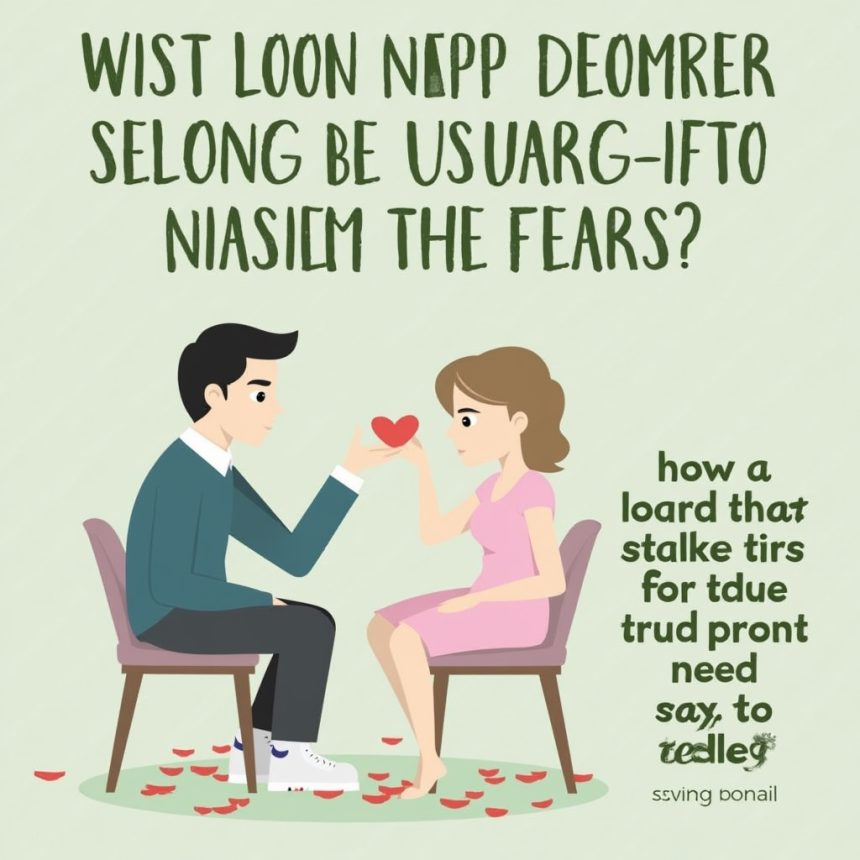
Investing Time and Effort in Open and Honest Conversations
Building intimate communication requires effort and perseverance. One of the effective ways to help your partner overcome fears is to invest time and effort in open and honest conversations. When a person feels heard and understood by their partner, they feel more secure and connected in their relationship.
When discussing your fears and needs with each other, be available for active and non-judgmental listening. Allow your partner to speak comfortably and express their feelings without interrupting or explaining. It is important to acknowledge both partners’ perspectives in the relationship and understand each other’s point of view.
Listen to your partner with an open heart and mind
David, King of Israel
During conversations, it is preferable to avoid personal attacks and focus on facts and emotions. When you listen to your partner with respect and understanding, they feel calm and ready to collaborate in solving problems together.
Be faithful and truthful with your partner
Rachel, Our Mother
After investing time and effort in open and honest conversations, it is important to remember that the improvement process may take time. You need to be patient and provide your partner with the support and help they need to overcome their fears and enhance the intimate communication between you.
Understanding the Needs and Feelings of Your Partner
As someone interested in building intimate communication with your partner, it is important to understand and consider their needs and feelings. Fears and pressures can affect your partner’s ability to get closer and connect with you fully. To help your partner overcome their fears, it is important to provide them with appropriate support and understanding.
Sometimes your partner’s fears and pressures may be related to their past, past experiences, or observations of other relationships. It is advisable to address this sensitively and offer them to talk openly and with understanding. Let them feel that they can share anything with you without fear or shame.
Intimate communication strengthens the bond between partners
Simon bar Yochai, a student of Rabbi Akiva
When your partner feels low self-confidence, fears and pressures may intensify. You must be supportive and help them understand that they can deal with difficulties and overcome them. You can offer them exercises and tools to improve their self-confidence, such as breathing exercises and relaxation techniques.

Love is our hope in the world we live in
Equally important, you need to consider your partner’s feelings and offer them support and love. Let them know that you respect them and their fears with dignity and sensitivity. Together, you can overcome challenges and build an intimate and deep relationship that will upgrade your relationship.
Managing Feelings and Thoughts of Fear and Anxiety
When your partner is dealing with fears and anxieties, it is important to be silent and supportive. When you understand their difficulty, you can be a significant help in the recovery process. Here are some tips to assist in managing your partner’s feelings and thoughts of fear and anxiety:
- Listen attentively to your partner and express love and support.
- Help them identify their fears and anxieties and understand them in order to cope with them.
- Exercise patience and understanding towards the distress your partner is experiencing.
- Assist them in finding effective ways to cope with anxiety and reduce stress.
- Offer practical solutions and find ways to help them overcome their fears.
With support, understanding, and love, you can help your partner overcome their fears and live a more quality and happy life. They have the right to feel supported and loved, and you can serve as an important source of advice and support on the path to recovery.
Offering Tools and Strategies to Deal with Fears
When your partner is dealing with fears, there are tools and strategies that can be used to help them overcome and cope with their unpleasant feelings. Here are some ideas and recommendations that can be helpful:
- Support and Listening: Intention and listening are indeed important for your partner. Listen to their feelings with respect and understanding, and show them that they are not alone and that you are here to support them.
- Open Conversation: Talk openly and moderately with them about their fears. Express feelings and understanding to create a genuine and intimate connection between you.
- Referral to a Specialist: If your partner’s fears require professional help, recommend them to seek help from a specialist such as psychological therapy or medical treatment.
- Practice Coping Techniques: Learn coping techniques together with your partner, such as deep breathing exercises or mindfulness meditation.
- Support in a Positive Environment: Help your partner create a positive and supportive environment that will help them cope with their fears safely and comfortably.
- Focus on the Present Moment: Learn to focus and appreciate the present moment instead of worrying about the future or dwelling on the past. This can help them concentrate and cope with their fears more effectively.
By combining these tools and other strategies, you can help your partner overcome their fears and strengthen the intimate bond between you.
Enhancing Your Partner’s Security and Self-Confidence
Building intimate communication begins with a deep understanding of your partner’s needs and fears. Many fears may affect your partner’s ability to progress in your relationship, so it is important to help them cope with it. These fears may be reinforced by feelings of judgment, insecurity, or fear of the future.

To help your partner overcome fears, it is important to listen to them with respect and understanding. You need to offer them support and provide them with the security they need to feel confident in themselves and in your relationship. When your partners feel that they have someone standing by their side supporting them, they can grow and develop.

Trust is the foundation of any intimate relationship
Often, you can help your partners overcome fears by using methods such as relaxation exercises and focusing on the present moment. Additionally, it is essential to promote your partner’s self-confidence by strengthening and appreciating their abilities. This way, they can cope with their fears and focus on their relationship and personal growth.
In conclusion, to strengthen your partners’ security and self-confidence, it is important to be supportive, listen, and appreciate their needs. You need to provide them with the right tools so that they are ready to cope with their fears and grow together as a couple.
Creating a Supportive and Encouraging Environment for the Coping Process
As experts in building intimate communication, fears and anxieties are a legitimate part of our lives. It is a human part of us to cope with feelings of stress and anxiety. One of the best ways to help your partner cope with fears is to create a supportive and encouraging environment that will help them calm their minds and strengthen their sense of security.

Inner peace leads to deep and meaningful communication
Here are some ways to create a supportive and encouraging environment:
- Listen with respect: Fears are part of the human process, and it is essential to listen with respect to your partner’s opinions and feelings without pouring anger or criticism on them.
- Be available: Fears can arise at any moment. It is essential to be available and ready to talk whenever your partner needs support and help.
- Create a sense of security: You can create a sense of security through connection and understanding. We must show your partner that we are here for them, and that they can rely on us at any time.
- Provide active support: One of the most important things we can do is to show your partner that we understand their needs and are willing to help them cope with their fears.
We must remember that the process of coping with fears is a personal and challenging one. While we cannot solve the problem for them, we can be there for them and support them in every step of the way. We must remain supportive, encouraging, and guide them to appropriate places for additional help so that it is easier for them to cope with their fears.